
The NDIS has announced new pricing changes for art and music therapies, effective 24 November 2025. We get how important these supports are for so many of you, so here’s a simple breakdown of what’s changing.
Price changes effective 2 November 2025
Most importantly, the hourly price limit for both art therapy and music therapy will be reduced from $193.99 per hour to $156.16 per hour.
Also, providers must claim each therapy under the correct NDIS line item:
- Art therapy: claim under the art therapy line item
- Music therapy: claim under the music therapy line item
Using the right line item will help avoid payment delays and invoice rejections by the NDIS, so avoid claiming under Other Professional or similar categories.
What is Art Therapy?
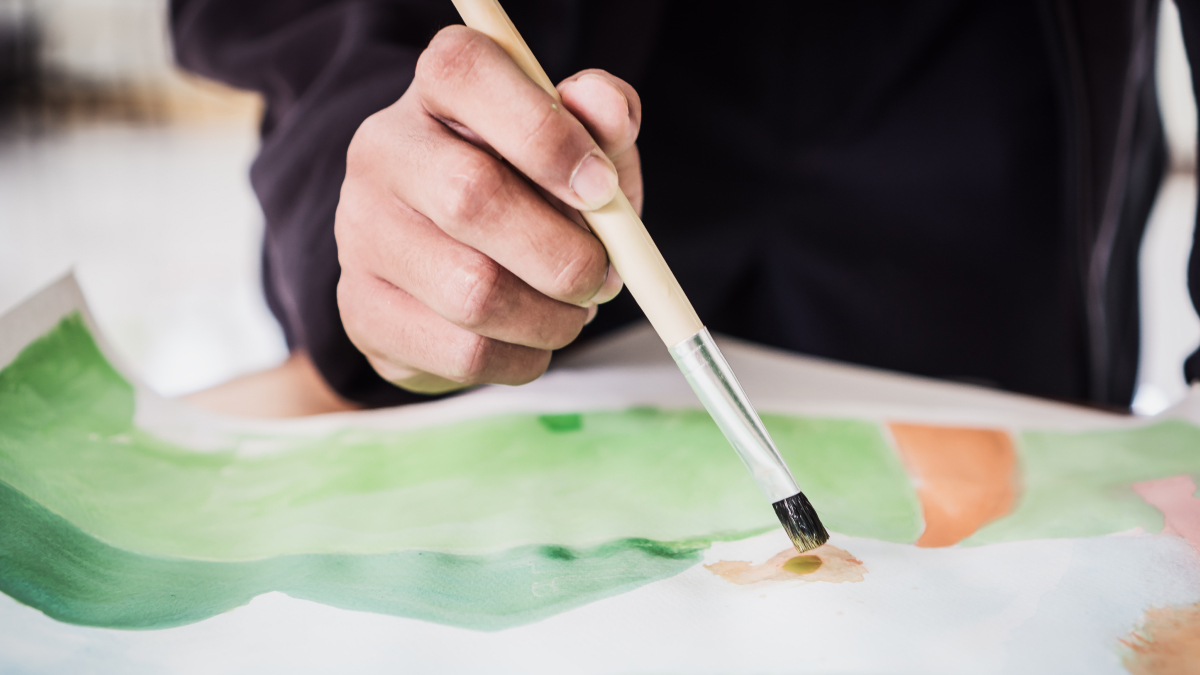
Art therapy is so much more than just making art. It’s a safe, supportive and creative outlet for people to express emotions, process experiences and build confidence. You don’t need to be a talented artist to do art therapy. It’s more about exploring your feelings and experiences using activities like drawing, painting, sculpting and collage.
Sometimes providers use additional techniques as part of their art therapy, such as guided reflection, relaxation, sensory activities and confidence-building exercises. These approaches can be especially helpful for challenges like:
- Anxiety, stress or trauma
- Emotional regulation challenges
- Communication difficulties
- Low self-esteem
- Social or behavioural challenges
What is Music Therapy?
Music therapy uses music to support emotional, cognitive and physical wellbeing. It’s delivered by a qualified Music Therapist who tailors each session to an individual’s goals and preferences using activities like:
- Singing
- Playing instruments
- Songwriting or composing
- Listening to music
- Rhythm and beat activities
- Movement or dance for coordination and mobility
Music therapy can help with many things, including communication, mood, focus, memory, identity and self-confidence. For some people, rhythmic movement can also help with strength, balance and coordination.
Who can provide art and music therapy under the NDIS?
Both art therapy and music therapy should be delivered by qualified professionals with the appropriate training and credentials. When you are researching providers, you may want to ask:
- Are they registered with the relevant professional body, such as The Australian, New Zealand and Asian Creative Arts Therapies Association (ANZACATA) or the Australian Music Therapy Association (AMTA)?
- Do they have experience working with NDIS participants?
- Are they able to link therapy outcomes to your NDIS goals?
The NDIS doesn’t always require you to use NDIS-registered providers (especially if your plan is plan managed not NDIA-managed), but qualifications do matter.
One of the great things about plan management is that it gives you access to small, local providers who may not be NDIS registered but offer a quality, intimate service that may be a great fit for you.
How can art and music therapy be funded under the NDIS?
In most NDIS plans, art therapy and music therapy are funded from the Capacity Building budget under Improved Daily Living.
If you’re unsure whether you can use your funding for these supports, talk to your plan manager, support coordinator or My NDIS Contact. They’ll be able to help you check your plan categories and inclusions to see if therapy supports are covered in your funding.
If they aren’t included, you may be able to request a review or adjust your goals to have them included at your next planning meeting.
One-on-one plan management with My Plan Support?
Are you interested in having help to better understand and manage your NDIS plan? With My Plan Support, you get your very own NDIS plan manager who can do just that. They’ll work with you one-on-one to help you understand your plan, what it covers and how to get the most out of your funding.